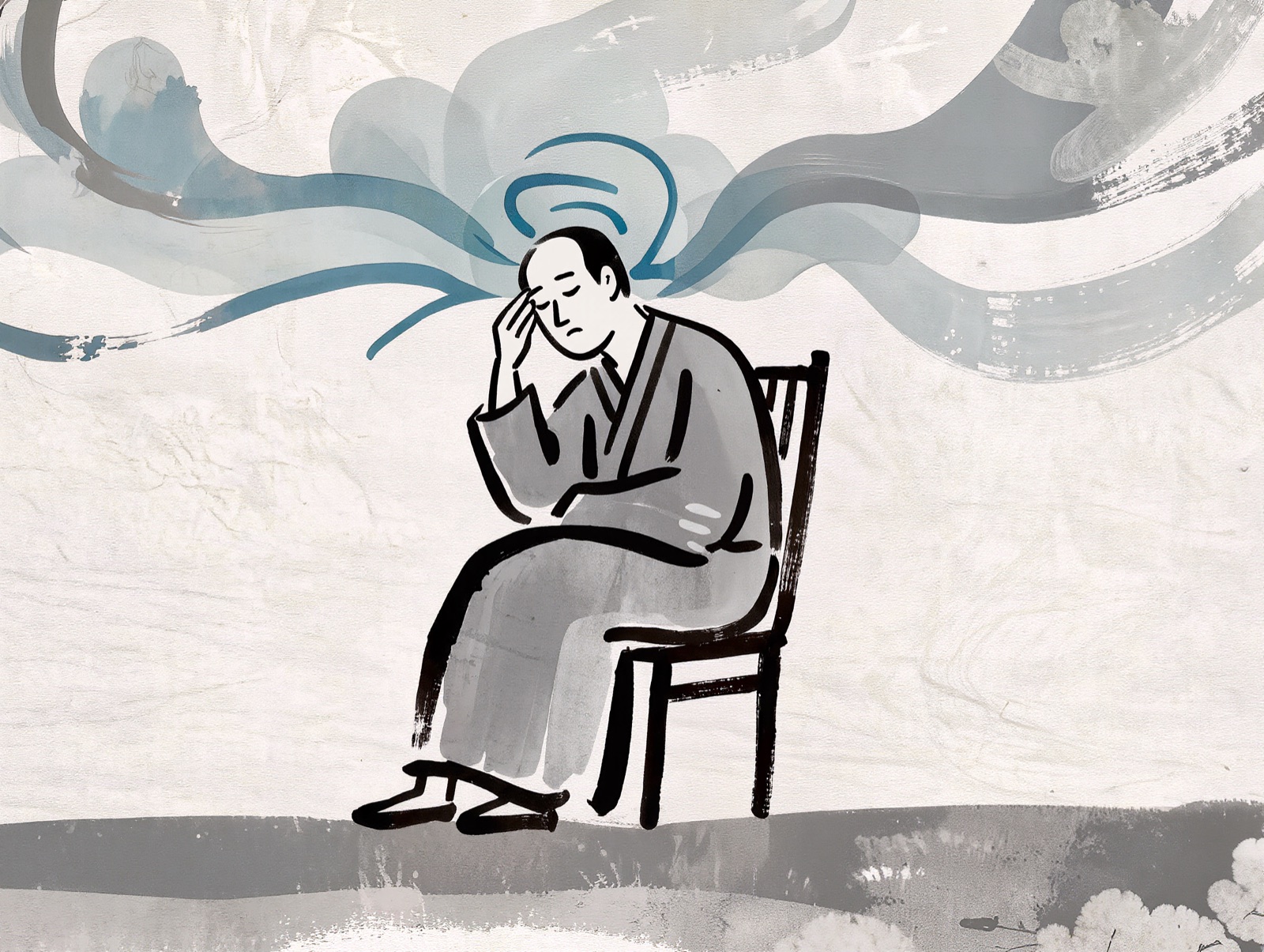
Why Men Are Underdiagnosed With Migraine
Migraine being three times more common in women is a real epidemiological finding — but it likely overstates the actual gap, because a separate, well-documented problem sits on top of it: men are diagnosed later, less accurately, and less often than women reporting the same symptoms.
What the research actually found
The American Headache Society has directly addressed this: migraine's long-standing reputation as a "women's disease" appears to create real stigma for men, making it harder for them to seek care for what can feel like a "feminized" condition. A 2025 cohort study out of a tertiary headache center found that among people who did seek care for headache, women were far more likely to actually receive a migraine diagnosis than men with comparable symptoms — pointing to bias in diagnosis, not just in who shows up. Separate research has found men report lower physical impact from migraine than women do, which researchers note may reflect reporting behavior — reluctance to acknowledge physical limitation — rather than a true difference in how much it affects them.
Why this matters practically
An undiagnosed migraine doesn't get treated as one — it gets treated as "just a headache," managed with whatever's in the medicine cabinet, without access to migraine-specific abortive or preventive medication, and without anyone tracking whether a pattern exists at all. If any of this sounds familiar — headaches dismissed as unremarkable, never actually raised with a doctor as a recurring pattern — that's exactly the gap this research describes, and exactly what a consistent log makes hard to keep dismissing, for yourself or a doctor seeing it for the first time.
Source: American Headache Society, "Migraine Stigma May Prevent Proper Diagnosis and Treatment in Men"; sex-related disparities cohort study, The Journal of Headache and Pain, 2025; Lipton et al., barriers to diagnosis and treatment study. Translated and adapted for informational purposes; not a substitute for professional medical advice.